All articles02

Bulk buying · Production samples

Knitwear TOP samples: connect buyer approval to the actual production batch

Agree what a top-of-production (TOP) sample means for your order, take it from the identified production batch and record exactly what the buyer’s decision releases. A sample approval should never silently become approval of every colour, size or shipment.

By WTBF · Knitwear buying guides

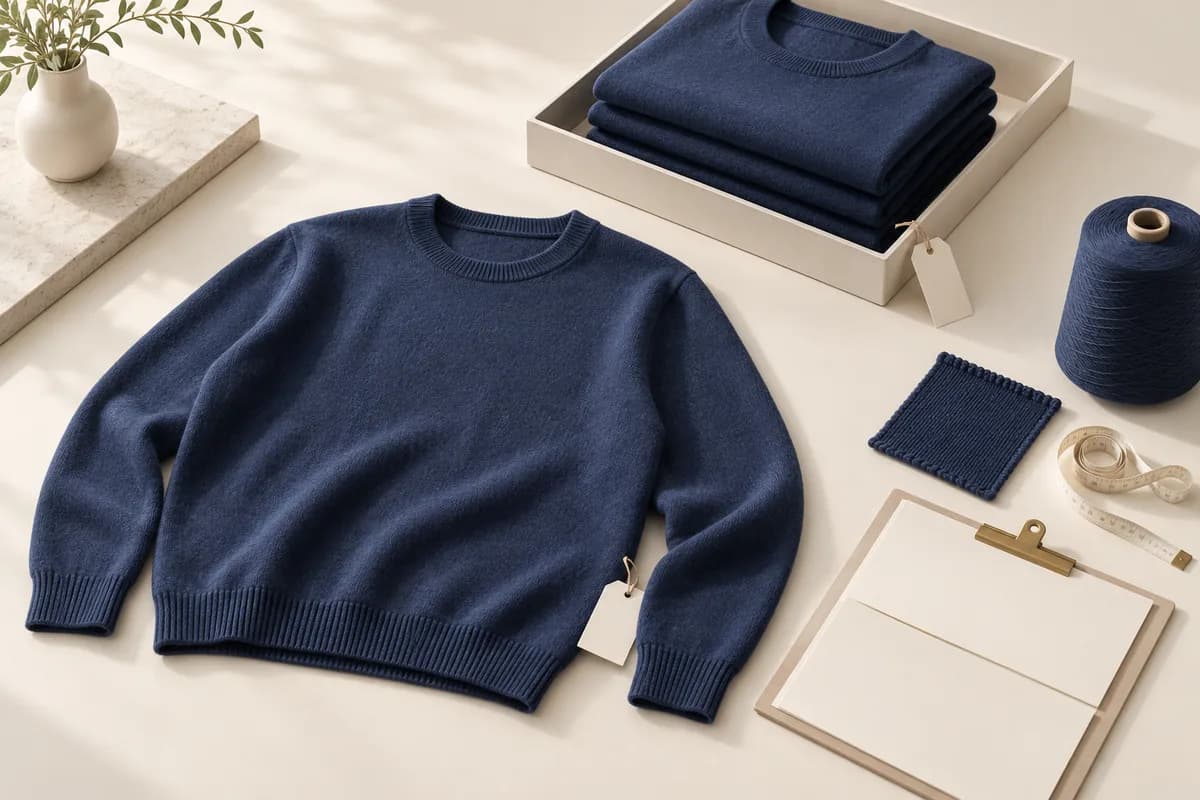
Concept illustration of a navy knitwear review sample beside a tray of matching folded sweaters, blank batch tags, yarn and review cards.

Agree the sample’s origin before asking for approval

For this buying workflow, request finished garments taken from the actual starting production batch, using its allocated materials and production processes. Confirm this definition with the supplier instead of relying on the name TOP alone. A separately made development sample answers a different question. Connect each submitted garment to the purchase order, style and specification revision, colour, size, yarn lot, production batch and selection date. Record who selected it and its finishing state. Compare it with the approved pre-production reference under the agreed preparation and measurement conditions. If the sample has been repaired or specially adjusted after selection, identify that work before the buyer evaluates it.

Choose coverage around the differences that matter

List the styles, colours, sizes and batches that need review, then agree which physical samples and supporting records are required. Do not assume one medium-size garment covers every size, or one colour covers all yarn lots and decorations. Name any variants still awaiting submission. Review measurements, knit appearance, joining, finishing, trims and labels against the same approved revision; include packing only if a packed sample is within the agreed scope. Photos can identify a garment and show visible details, but should not replace physical checks that the buyer requires. A selected sample documents that garment’s condition; it does not by itself establish the quality of the entire order.

Write down what may continue while review is pending

Before production starts, agree the review point, response owner and required response date. Specify whether knitting, joining, finishing or packing may continue while samples are in transit or awaiting a decision, and identify any quantity limit or hold that applies. A TOP request sent after the whole order is finished cannot create an earlier approval gate. For a failed point, record the affected variants and batches, correction, responsibility and evidence needed for another decision. Confirm whether already produced garments need sorting or rework and how they will be checked. Do not release unaffected and affected goods under one vague message such as “sample okay”; approve the stated scope and conditions.

Keep the release record and inspection plan separate

Retain the sample IDs, comparison results, photographs, open points and dated buyer decision together. State whether the decision releases a named batch or process, requires resubmission, or leaves particular variants on hold. Keep shipment authorisation and any agreed production or final inspection as separate decisions. Intertek lists initial, during-production and final random inspections as distinct services; this buyer sample-review checklist is not one of those inspection reports. Send WTBF your tech pack, quantity breakdown, destination, required arrival date and proposed TOP review scope. Ask for sample selection, dispatch, review timing and any inspection costs to be included in the quotation discussion before confirming production.

Intertek: production inspection stages

Discuss your knitwear projectBack to Blog